


The Tran family called us on a Thursday morning, 3 months behind on mortgage payments with a foreclosure auction date already on the calendar, desperate to sell before the bank took the house. We walked through their property together the following Tuesday, a 4-bedroom colonial with a cracked driveway and a furnace that had quit 2 winters earlier. We closed in 11 days, which is a normal timeline for a cash close. No inspection, no repair negotiations, and no agent commissions eating into what little equity they had left.
This is what an as-is sale without an inspection actually looks like when it works. And it works more often than most homeowners realize.
What to Know Before Selling a House As-Is Without an Inspection
Most sellers imagine the worst when they hear “we don’t need an inspection.” They picture a buyer backing out, or worse, a lowball offer with a stack of repair demands attached anyway. What actually plays out, especially in cash transactions, is a much cleaner process. The offer comes in, the title work gets ordered, and you pick a closing date that fits your life. No contractor wandering through your home. No inspector handing the buyer a 47-page ammunition report.
This guide walks you through what selling as-is without a home inspection really means, how the pricing works, where the legal lines are, and who’s going to be on the other end of your contract. If you’re carrying a property that needs work, facing a time crunch, or just done with the whole situation, this is the information you need before you make any decisions.
What Does It Mean to Sell a House As-Is?
Get this part wrong and you’ll either over-promise to buyers and face post-closing disputes or under-price your home because you don’t understand what “as-is” actually transfers.
Selling a house as-is means you’re offering it in the condition it’s in today. You’re not agreeing to fix the roof, repaint the walls, replace the plumbing, or upgrade anything before closing. The buyer takes the property with every known flaw, every deferred maintenance item, every quirk that an inspector might flag. You’re transferring the house itself, not a renovated version of it.
There’s a distinction worth making here, though. Selling as-is doesn’t automatically mean no inspection happens. A buyer can still hire an inspector for their own knowledge. What changes is the outcome: whatever the inspector finds doesn’t obligate you to do a single thing about it. No repair credits, no price reductions the buyer can demand as a condition of closing, and no renegotiation based on what shows up in the report.
That’s the clean version. Real estate investors understand this implicitly; they’ve bought enough properties to know what they’re walking into before they write an offer. A first-time homebuyer using an FHA or VA loan, on the other hand, may not be in a position to waive inspection rights at all, because their mortgage lenders often require the property to meet certain condition standards before approving the loan. The buyer type matters as much as the listing language.
Do You Have to Disclose Problems When Selling a House As-Is?
Some sellers push back on this: “If I’m selling as-is, why do I have to tell them anything?” Fair question, but real estate laws don’t work that way, and understanding the distinction protects you.
Selling as-is removes your obligation to repair known issues. It does not remove your obligation to disclose them. In virtually every state, sellers are required by law to disclose known material defects to buyers before a contract is signed. We’re talking about things like a leaky roof, foundation cracks, past flood damage, faulty wiring, known plumbing problems, or any environmental hazard on the property. Transparency isn’t optional; it’s statutory.
The specific forms vary by state, but most states require some version of a seller’s property disclosure covering known material defects. Whatever your state calls it, the principle is the same everywhere. Skipping or misrepresenting these disclosures doesn’t just kill sales; it can expose you to lawsuits and financial liability after closing, even years later.
Where sellers get caught is the gray area between “didn’t know” and “chose not to look.” If you’ve lived in the home for 15 years and the basement has flooded 3 times, you know. Write it down. The disclosure form is your protection as much as the buyer’s. Homeowners who discover undisclosed defects after closing have successfully sued sellers in states across the country. For as-is sales going to real estate investors or direct buyers like Property Max, that legal framework still applies; good buyers expect and welcome your honest disclosures rather than treating them as deal-breakers.
Can You Sell a House As-Is Without an Inspection?
Here’s the detail most articles skip entirely: whether a home inspection happens at all often comes down to the buyer’s financing method, not to anything you specify in the listing.
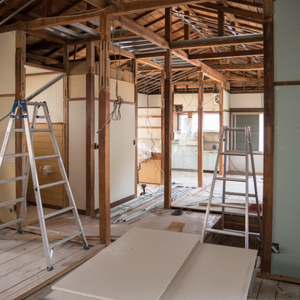
Cash buyers and real estate investors routinely skip formal inspections or rely on a quick walk-through with a contractor instead of a certified inspector. A seasoned investor is experienced enough to eyeball the roof, check for water staining around windows, run the plumbing, and make their own repair-cost estimate. When a buyer is paying cash, no lender is in the room requiring them to prove the home is habitable before releasing funds, which means the whole process moves faster than most sellers expect.
FHA and VA loan programs come with property condition requirements baked in. A home with a failing roof, exposed wiring, peeling paint on pre-1978 construction, or compromised structure may not qualify for those loan types at all, inspection or not. Conventional mortgage lenders are generally more flexible, but they still require an appraisal that can flag major issues.
So yes, you can absolutely sell a house as-is without a formal home inspection. The answer is especially clear when you’re dealing with cash buyers. What varies is whether the type of buyer you attract makes that inspection-free close realistic or not. Aim your sale at the right audience from day one instead of listing on the open market and hoping a financed buyer can muscle through condition issues. That’s how sellers waste the least time and get to the table fastest.
How Much Less Do You Get When Selling a House As-Is?
Most sellers come into this conversation expecting that skipping the inspection saves them from having to reduce the price based on repair demands. This logic has a gap in it.
Cash buyers and investors aren’t skipping the inspection because they don’t care about the home’s condition. They skip it because they’ve already accounted for that condition before they write the offer. A buyer who waives a formal inspection isn’t blind; they’re experienced. They’ve walked the property, they’ve noted the HVAC age, they’ve looked at the roof, and they’ve run their numbers. The repair costs that a traditional buyer would have asked you to address post-inspection show up as a lower offer price instead, sometimes calculated line by line rather than as a lump sum.
As-is offers typically land somewhere between 10% and 30% below comparable market value to account for repair costs and unknown risk. The wide range reflects the fact that the condition varies wildly, and where your property falls in that band depends mostly on the scale of the work it needs. Think of the tiers below as rough guideposts, not fixed rules; actual offers vary by market, by buyer, and by how repair costs stack up against your home’s value:
| Property Condition | Typical Work Needed | Rough Discount from Market Value |
|---|---|---|
| Light wear | Paint, carpet, minor fixtures, deep cleaning | About 10% to 15% |
| Moderate deferred maintenance | Aging HVAC or water heater, dated kitchen/baths, minor roof repairs | About 15% to 20% |
| Major systems failing | Roof replacement, plumbing or electrical overhaul, water intrusion | About 20% to 30% |
| Structural or environmental issues | Foundation problems, mold, fire damage, code violations | Beyond 30%, evaluated case by case |
Having a rough sense of where your property sits on this spectrum before you set a price is the difference between a fair sale and leaving money on the table.
We have seen sellers hurt themselves by refusing to acknowledge conditions honestly. They price at or near market rate, assuming the “as-is” label saves them from negotiation. Experienced buyers walk. Then the property sits, days on market accumulate, and eventually the seller drops the price anyway, now with a stigma attached to the listing that wouldn’t exist if they’d priced it right from day one.
What Are the Risks of Selling As-Is Without an Inspection?
We used to underestimate how much the legal exposure piece matters. Disclosure felt like a formality to us early on, and that was wrong.
The biggest risk isn’t price. Sellers fixate on what they’ll “lose” compared to a fully repaired retail sale, but that comparison usually ignores the cost of those repairs, the carrying cost during renovation months, the agent commissions on both ends, and the real possibility that financing falls through. The actual financial gap between an as-is cash sale and a renovated retail sale narrows considerably once you run honest numbers.
The legal risk is the one that bites sellers who cut corners. Failing to disclose what you know exposes you to post-sale claims from buyers. A seller who conceals a recurring plumbing leak or a known flood history isn’t protected by an “as-is” clause in the contract. Courts in most states interpret disclosure obligations broadly, and “I didn’t think it was that serious” rarely holds up as a defense.
A smaller but real risk: the narrower buyer pool. Homes needing major work will draw fewer offers from owner-occupants, many of whom can’t or won’t take on renovations right after buying. This shifts your audience toward investors and cash buyers, which is fine if you target them from the start, but frustrating if you expected multiple competing offers from retail buyers.
Who Buys Houses As-Is?
Retail buyers, as a category, are not your friend in an as-is sale.
Real estate investors and cash home buyers are the primary audience for as-is properties. They approach these purchases as investment decisions. An investor runs numbers based on the after-repair value, subtracts their renovation budget, their carrying costs, and their profit margin, and makes an offer based on what’s left. They expect the property to need work; that’s why they’re buying it.
Cash buyers make up a meaningful slice of the market. Data from the National Association of Realtors shows that 26% of home buyers paid all cash, an all-time high in its 2025 Profile of Home Buyers and Sellers. That figure covers primary residence buyers only, so the investors buying in as-is condition sit on top of it rather than inside it. They move fast, they don’t need appraisals, and their sales don’t collapse because a lender got skittish about peeling paint or an older roof.
Experienced buyers also do their own pre-offer analysis. A contractor walk-through, a quick visual of the foundation, and a look at the electrical panel. That’s often all the due diligence an investor needs. They’re not asking for a detailed inspection report because they already know what they’re buying.
Cash buyers want honesty about what you know, a price that reflects reality, and a clean path to closing without contingencies that reset the clock. Sellers who fight that process tend to lose months and net less anyway.
How to Price a House to Sell As-Is
We have watched sellers leave real money behind by handling pricing wrong, so this section deserves your full attention.
Starting with a comparative market analysis (CMA) is non-negotiable. Your real estate agent or a direct buyer will pull comparable sales from your neighborhood, typically within the past 3 to 6 months, adjusted for square footage, bedroom count, lot size, and condition. That sets your baseline. From there, you adjust downward for the work the property needs.

Get contractor estimates for the big-ticket items: roof, HVAC, foundation, plumbing, and electrical. Add them up. Buyers will run the same math, so knowing those numbers before they do puts you in a stronger position to evaluate offers rather than just reacting to them.
Avoid the trap of pricing to “see what happens.” Properties priced above the realistic as-is value sit on the market. In the current environment, homes priced too high are sitting longer; an analysis of 2025 sales found that the typical buyer who purchased below list price got a discount of nearly 8%, the largest gap in over a decade, and nearly two-thirds of all buyers paid under list. Overpriced as-is listings invite stigma and then a forced price cut anyway. Price it right from day one, and you’ll attract the serious buyers who close.
A company like Property Max can give you a direct offer grounded in real local market data without the guesswork of a traditional listing process. This gives you a concrete number to compare against other options. We are cash home buyers in Portland, so that number comes from local comparable sales rather than a national formula.
How to Prepare to Sell Your House As-Is
A landlord we worked with a few years back had owned his rental for over 2 decades and hadn’t stepped inside in 3 years. When he finally decided to sell, he had no idea the back porch had rotted through, and the basement had developed a water intrusion problem every rainy season. He almost signed a listing contract at a price he’d never get.
Before you list, walk the property yourself with clear eyes and document every known issue with photos. A practical self-walkthrough covers:
- Roof: Check from outside if you can; look for missing, curling, or stained shingles and any sagging along the ridgeline.
- Plumbing: Run every faucet, flush every toilet, and look under every sink for leaks, corrosion, or water staining.
- Major systems: Note the age of the water heater, the HVAC system, and the electrical panel; buyers will ask, and knowing beats guessing.
- Basement and crawl space: Look for water staining, moisture, musty smells, or white mineral deposits on the walls, which all point to water getting in.
- Exterior: Walk the foundation line for visible cracks, check decks and porches for rot, and note any grading that slopes toward the house.
Pull together whatever paperwork you can find. Old permits, prior inspection reports, repair invoices, and warranty paperwork all help buyers trust what you’re telling them. Sellers who hand over a complete disclosure package alongside a clear set of photographs tend to attract more confident buyers who close rather than walk at the last minute.
You don’t need to fix anything. You do need to know your property. Buyers who feel deceived or caught off guard pull out of sales. Buyers who feel fully informed, even when the news isn’t great, tend to move forward because they already know what they’re getting into.
Your state’s real estate commission publishes the seller disclosure form and the requirements that apply where your property sits, so start there to know exactly what you’re legally required to share before any contract is signed. At the federal level, the U.S. Department of Housing and Urban Development enforces the lead-based paint disclosure rule that applies to any home built before 1978.
How to Find Cash Buyers for an As-Is House
Where do you actually find someone willing to buy your house in this condition without making your life difficult?
The short answer is you stop marketing to the wrong audience. Listing an as-is property on the MLS and waiting for retail buyers to come around wastes time and generates frustration. Financed buyers will try to renegotiate once their lender hesitates, leaving you back to square one after weeks of back-and-forth. Owner-occupants will hesitate at visible deferred maintenance. You’ll collect showings and lose offers at the inspection contingency stage.
Target cash buyers directly instead. These are the investors and direct buyers described above, and the practical move is simple: reach out to we buy houses companies that specialize in as-is purchases. That puts you in negotiation with buyers who’ve already decided they’re comfortable with the format.
For as-is properties, direct outreach to cash buyers often moves faster than waiting for the market to come to you. Resources like the National Association of Realtors can help you verify that any agent you work with understands distressed and as-is transactions specifically, because not all agents do.
Property Max works with homeowners across exactly these situations: properties that need work, sellers who need speed, and transactions that don’t have room for the back-and-forth of a traditional sale. Getting a direct offer from a buyer like that gives you a real number to evaluate without committing to anything. We also buy houses in Gresham and across the rest of the metro.
When Should You Sell a House As-Is Without an Inspection?
Once you’ve sorted out who your buyer is and what a realistic price looks like, the bigger question becomes whether this path actually fits your circumstances.
Selling as-is without an inspection makes the clearest sense when time is a scarce resource. Foreclosure timelines, divorce proceedings, estate settlements, job relocations, and financial hardship all create situations in which a 30- to 45-day traditional sale is too slow. A cash close on an as-is property can land inside 2 or 3 weeks, which makes a real difference when the mortgage is overdue or a move-out date is fixed.
It also makes sense when repair costs would consume most or all of your margin. Roof replacements, foundation work, major plumbing overhauls, and full HVAC replacements commonly run $10,000 to $20,000 each, and more than that when several stack together. Spend $30,000 chasing a higher list price, and carrying costs and commissions can eat the difference, so the math doesn’t always favor fixing up.
Inherited properties stand out as one of the clearest use cases. Families dealing with an estate typically don’t know the property’s full condition, have no interest in managing a renovation project from a distance, and need a clean exit that lets them divide proceeds and move on.
Frank Mitchell came to us through a referral after inheriting his father’s home of 30 years. The garage alone held a lifetime of collected items, from vintage tools to stacked boxes of old files, and Frank had 2 siblings with different opinions about timing. One sister initially wanted to list the house traditionally and hold out for retail price, and honestly, that instinct isn’t wrong for every family. What changed her mind was the contractor estimate: nearly $40,000 in roof, electrical, and plumbing work before the house could compete with renovated listings in the neighborhood, plus months of carrying costs split 3 ways while they waited. We toured the house on a Saturday, gave Frank a fair written offer on Monday morning, and all 3 of them signed it. No inspection report, no repair negotiations, no 5-month listing process. Just a clean close and a divided check.
That outcome is available to far more homeowners than realize it.
Frequently Asked Questions
Can a House Be Sold Without an Inspection?
Yes, a house can absolutely be sold without a home inspection. No federal law requires sellers to commission one before listing, and cash buyers frequently purchase properties without requesting a formal inspection at all. The key is that your disclosure obligations still apply regardless; you’re required to share what you know about the property’s condition, even without a third-party inspector’s report.
How Fast Can You Sell a House As-Is for Cash?
Cash closings for as-is properties regularly happen in 7 to 17 days, compared with 30 to 45 days or more for a traditional financed sale. Because no lender is involved, there’s no appraisal, no underwriting, and no financing contingency that can delay or derail the sale. Once you accept a written offer, the timeline mostly comes down to title work and picking a closing date that works for you.
What Happens If I List My House and Then Decide Not to Sell It?
Your options depend on where you are in the process. If you haven’t accepted an offer yet, you can typically withdraw the listing without significant consequences, though your listing agreement with an agent may carry specific terms about commission owed if a ready-and-willing buyer was procured. Once you’ve signed a purchase contract, pulling out is more complicated and could expose you to legal liability or loss of the buyer’s earnest money, depending on how the contract is written. Read any agreement carefully before signing.
What Not to Fix Before Selling a House?
Cosmetic upgrades rarely pay off in an as-is sale. Skip expensive renovations like full kitchen remodels, bathroom gut jobs, or replacing flooring throughout the home; investors plan to do their own version of those anyway. Focus instead on full disclosure of known issues and realistic pricing, which does more for your final net than any cosmetic project would.
If you want to talk through your specific situation, we’re here. No pressure, no obligation, just a straightforward conversation about what your property is worth and what your options actually look like. You can contact us whenever you’re ready.
Helpful Oregon Blog Articles
- Do I Need a Lawyer to Sell My House in Oregon?
- How Do I Short-Sell My House in Oregon?
- Can I Sell My House for Less Than Appraised Value in Oregon?
- Selling a Condemned House in Oregon
- Selling a Hoarder House in Oregon
- Paperwork for selling a house by owner in Oregon
- Selling my parents’ house in Oregon
- Selling a Fire-Damaged House in Oregon
- Can a Seller Refuse Repairs After Inspection?
- Sell Your House And Successfully Move Out Of State
- Can You Sell A House As Is Without An Inspection
- Selling a House With Solar Panels