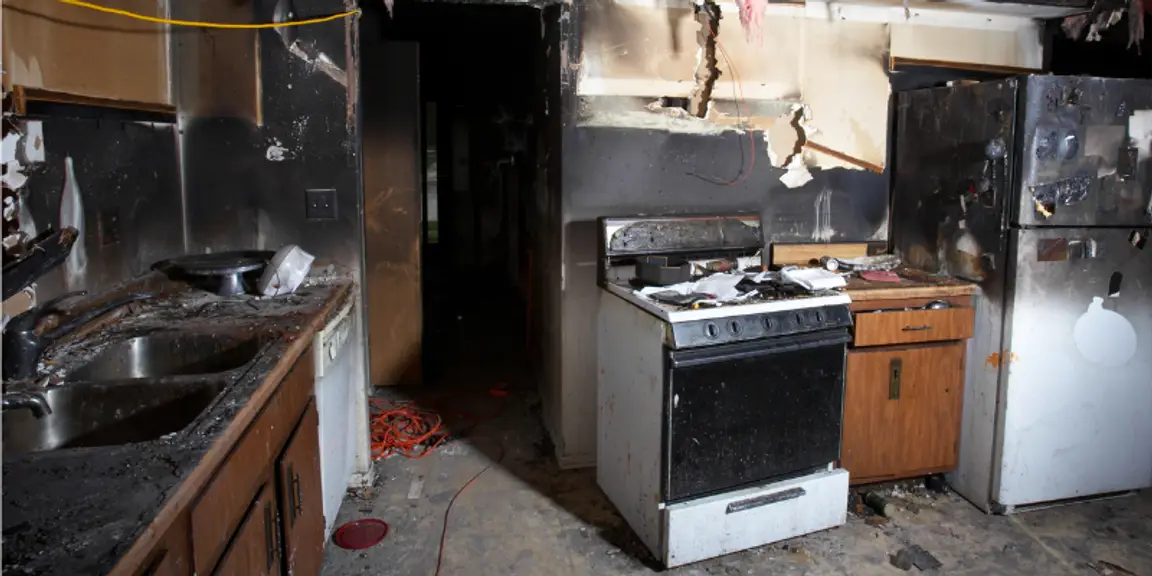

Looking at the charred remains of your kitchen, you might wonder if anyone would buy your fire-damaged house in Oregon. The answer is yes, but the process is different from a typical sale. Over the years, many fire-damaged homes across Oregon, from Portland neighborhoods to rural properties near Bend, have successfully sold. Fire can change not only a home, but the entire selling process. Here’s what you need to know about selling a fire-damaged property in Oregon.
How to Sell a Fire-damaged House in Oregon: Complete Property Owner’s Guide
Fire damage creates unique challenges that most homeowners never expect to face. Oregon had homes burn, and ignite other homes in 2020, when statewide, 5,000 homes burned over a period of several days during a statewide downslope wind event. Whether you’re dealing with smoke damage from a neighbor’s house fire or major structural damage from one of Oregon’s increasingly common wildfires, you’ve got options.
The first thing to understand: you’re not stuck with an unsellable property. Fire-damaged houses sell every day in Oregon. The key is understanding your market and making informed decisions about repairs, pricing, and timing.
In Portland, the median home sale price was $525K last month, a 5.1% increase from the year before. That said, even with fire damage, homes in strong markets (like Portland) retain considerable value. Rural markets will see a greater impact from fire damage, but there is still strong demand from buyers and investors interested in a cheaper fixer-upper.
Property Max provides fair cash offers for fire-damaged homes across Oregon, helping homeowners sell quickly without repairs, cleaning, or added stress. Whether the property has smoke damage or major structural issues, we make the process simple, fast, and hassle-free.
Insurance Claims Process for Fire-damaged Properties Before Listing for Sale
Your insurance claim should be your first priority, not your last. Too many homeowners rush into selling before fully understanding what their insurer will actually cover, and that decision can end up costing thousands. Contact your insurance company immediately, even if the damage looks minor. Smoke can seep into walls, HVAC systems, and hidden areas, meaning what appears to be cosmetic damage may actually be far more extensive.
Thorough documentation is just as important. Capture photos from all angles, save temporary housing receipts, and log any emergency repairs. Your insurance adjuster will need all of this documentation, and potential buyers, if you decide to sell, will want to see all of the damage. Sometimes working with a public adjuster can make a big difference. Their fee is usually 10 to 15 percent of the settlement, but they can often increase the settlement enough that you still break even.
Last but not least, before you decide to sell, make sure you completely understand your policy. Some have coverage for additional living expenses while repairs are being completed, while others outline very specific deadlines for completing repairs. These types of clauses can really sway whether submitting a claim and completing the restoration is the right move, or if selling the property in as-is condition is the best option.
Structural Damage Evaluation and Professional Inspection Services for Fire-affected Homes
Never skip a professional inspection after a fire. Even if it seems like only one room was affected, fire, heat, and smoke can travel through walls, ceilings, and hidden cavities in unpredictable ways. What looks minor on the surface can hide more serious structural or system-wide damage.
Hire a licensed structural engineer in Oregon with specific experience in fire-damaged properties. Their job is to determine whether the home’s structure is still safe or if it’s beyond economical repair. That assessment becomes the foundation for every financial and rebuilding decision you make afterward.
During an initial walkthrough, pay attention to warning signs like sagging floors or ceilings, cracked foundation walls, warped door frames, and discolored or heat-affected metal fixtures. These issues often point to structural weakening that isn’t always immediately visible but can be serious. Document everything with photos for your report.
A full inspection should also include electrical systems, plumbing, HVAC, and roof framing, as firefighting water can cause hidden damage such as faulty wiring, rot, and mold. If the first report suggests severe problems, getting a second professional opinion is worth it; differences in assessment can significantly affect whether you repair or demolish.
Environmental Hazards and Contamination Testing After Residential Fire Damage
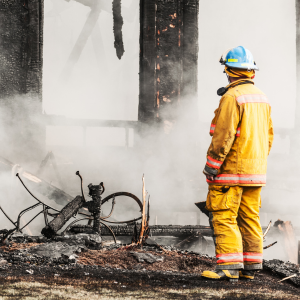
Fire residue is often odorless and also invisible to the naked eye. In today’s world, most homes are made with plastics, synthetic materials, and treated wood. Everything listed would release harmful toxins into the atmosphere and leave the post-fire area highly unsafe to enter without protective equipment. Smoke and soot would contaminate and cover various surfaces and parts of the home, and settle in small crevices of the ventilation system.
Older houses can contain both asbestos and lead hazards. Homes built before 1980 can release asbestos fibers from burning construction materials, and homes built before 1978 may have lead-based paints, which can be released into the air when heated. Thus, before any cleanup is completed, both of these hazards require costly testing, and cleanup must be handled in compliance with EPA requirements.
Post-fire recovery often includes air quality testing for harmful compounds, such as carbon monoxide, formaldehyde, benzene, and other VOCs, which can persist long after the fire. Soil testing may also be needed if hazardous materials were burned nearby, and professional remediation can cost several thousand to over ten thousand dollars, though insurance may cover part of the expense.
Understanding Fire Damage Assessment and Property Valuation in Oregon Real Estate Markets
Fire-damaged properties can be valued quite differently across Oregon’s regional real estate markets. In larger urban centers like Portland and Eugene, there are enough buyers that competition among them will support even damaged home prices and keep housing inventories tight.
Location plays a major role in determining value after a fire. A damaged home in a desirable neighborhood such as Southeast Portland’s Hawthorne district will typically retain more value than a similar property in rural Eastern Oregon. Local market conditions heavily influence what buyers are willing to pay. This difference is often driven by neighborhood desirability and access to amenities.
Typically, properties suffering fire damage lose at least 10% of their market value, but there is much variability. In weaker markets, the impact may reach 50%, while in stronger markets it tends to be 15-20% and is still affected by other factors such as severity, location, and demand. Insurance payouts versus costs may also determine the impact the market will experience.
In Oregon’s fast-moving real estate market, accurately pricing a home may require getting a comparative market analysis from an expert real estate agent for homes with damage, along with a specialized appraisal, if needed. Damaged homes can still carry a high price. Time is of the essence, especially when the market is bound to lose interest, as quickly determining a price can lead to stronger offers.
Smoke Damage Restoration vs Selling As-is: Cost-benefit Analysis for Oregon Homeowners
This is where most homeowners get stuck: deciding whether to invest in repairs or sell the property as-is. The right answer depends on your financial situation, timeline, and local market conditions. There’s rarely a one-size-fits-all solution, especially when fire damage is involved. In some cases, homeowners choose to work with a company that buys houses in Portland and other Oregon cities to avoid the time, cost, and uncertainty of major repairs.
Fire damage restoration can range from $3,000 to $50,000, and that often only scratches the surface of the true cost. Smoke damage restoration can be particularly expensive because it requires specialized equipment and techniques to remove odors, soot, and chemical residues that can linger in walls, HVAC systems, and flooring.
A practical framework is this: if repair costs exceed about 30 percent of your home’s post-repair value, selling as-is usually makes more sense. If you’re closer to 15 percent or less, repairs often pay for themselves through a higher sale price when the home is fully restored and market-ready.
Before deciding, get detailed estimates from at least three restoration companies. Make sure they include smoke odor removal, HVAC cleaning, and any necessary structural work, since hidden costs add up quickly. Also, consider your timeline. Repairs can take three to six months, and your cash flow matters because not everyone has the upfront capital to fund a full restoration.
Oregon Building Codes and Permit Requirements for Fire-damaged Property Renovations
Oregon’s building codes are strict, and fire damage often triggers requirements that require the entire property to be brought up to current standards. What might seem like a simple repair can quickly become a full-scale renovation once compliance rules are applied. This is especially true when older homes are involved, as they often fall far below current code requirements.
Any structural repairs require permits from the local building department. This includes replacing damaged framing, electrical systems, or plumbing. In busy areas like Portland, the permitting process alone can take four to six weeks before work can even begin. Delays are common when additional inspections are required after fire events.
Once electrical systems are damaged in a fire, they are normally required to be replaced rather than repaired. Oregon code changes require GFCI outlets in wet areas and modern breaker panels. All electrical work is done by licensed electricians and is subject to city inspection. This is to ensure the energy demands and safety concerns are met.
Updates to plumbing and HVAC systems may also be necessary. Fire and water damage exposed issues that may require renewed shut-off valves, new venting, and/or replacement of HVAC systems. Building codes will often dictate different requirements for fire-damaged buildings, so make sure to consult the building department to understand your options before building.
Oregon Fire Damage Disclosure Requirements and Legal Obligations for Home Sellers

Oregon law requires full disclosure of known material defects, and fire damage clearly falls into that category. Attempting to hide it is both illegal and risky, since buyers will almost always uncover it during inspections. This can lead to disputes, canceled sales, or even lawsuits. Most buyers will also request a professional inspection before moving forward.
In Oregon, you must let any potential buyers know if any fire damage has occurred to your property. This means you must fill out your state’s Property Disclosure Statement and let buyers know about the damages. Being honest, for legal reasons (and for the buyer’s peace of mind), about the damage is crucial if you want to avoid lawsuits. This form must be filled out as early as possible in the listing process, as tardiness can lead to a lack of buyer interest.
Record the cause of the fire, the damage caused, and the repairs that followed. Notes and details for the insurance claim, along with environmental and safety test results, should also be documented. Complete honesty will help the buyer to trust you and will protect you from potential litigation. Be sure to keep repair invoices and reports so the buyer has access to these details, and you can keep copies for your records.
If you are selling the property “as is,” make that explicit in your marketing and purchase agreements so buyers know they are accepting the home’s condition. For more complex cases such as arson, disputes, or suspected fraud, consult a real estate attorney to properly manage the additional legal risks. Selling as-is may also affect your pricing strategy and your buyer pool.
Pricing Fire-damaged Real Estate: Comparable Sales and Market Analysis Techniques
Pricing fire-damaged properties requires a different methodology than regular estate pricing. Since there have not been any recent sales of fire-damaged properties in clean condition, one must look to distressed comps. That is, fire-damaged properties that recently sold in your area with similar repair costs. This provides a more reasonable baseline and helps one price with a more accurate value, rather than overestimating value for properties that are not similarly situated.
You should also think about the small number of potential buyers, usually investors, contractors, and buyers who know how to make renovations. Since not many are prepared to buy damaged properties, they usually make lower offers but expect to seal the sale more quickly. On top of the repair costs, buyers expect ten to fifteen percent lower to account for the time, effort, and risks of the purchase.
If you need a quick sale, pricing aggressively is often necessary to attract multiple offers before stigma builds. Getting input from local investors or cash buyers can also help you understand the property’s true floor value and set a realistic price range. This approach can also reduce carrying costs, such as taxes, utilities, and ongoing maintenance, while the property is on the market.
Need a fast, hassle-free sale for your fire-damaged property? Contact us for a fair cash offer based on realistic distressed market values, not inflated clean-home comps. We buy as-is and can help you avoid costly repairs, ongoing expenses, and long market delays.
Marketing Strategies for Fire-damaged Homes in Portland Metro and Rural Oregon Areas
The marketing of properties damaged by fire can only be done if marketed with integrity and tact. Don’t conceal damages, but don’t address them first. Instead, focus your marketing on the property’s value and/or what it can be worth to the buyer after the value-added repairs have been completed, rather than on its current value.
Professional photography is necessary despite the fire damage present. More than a fire-damaged home, buyers would want to see photos, editions, and layouts of the damage. As a salesperson, trust is vital. You would want to show the damages honestly; however, don’t forget to show the property’s foundation, salvageable damages, and positive/desirable architectural elements.
Target your marketing toward the right audience, such as investors, contractors, and house flippers who understand renovation projects. Besides the MLS, list on investor-specific platforms and networks looking for distressed properties. Doing this reaches buyers looking for fix-and-flip or rebuild opportunities.
Highlight the location’s advantages and be clear about other key details. Places like Oregon’s Bend, Happy Valley, or Portland can generate interest due to schools, scenery, and demand. Be up-front about insurance payouts, permits, inspections, or any other mechanical item so buyers can be more confident.
Staging Tips for Fire-damaged Home Listings
Staging a fire-damaged home listing should focus on clarity, honesty, and organization. The goal is not to hide the damage, but to present the property in a way that is easy for buyers to understand while still showing its structure, layout, and potential. Good staging sets realistic expectations and attracts more serious, qualified buyers.
Properly staging the home means keeping it as clean, clear, and accessible as possible, leaving nothing for prospective buyers to ponder about the home’s condition. To clear confusion, remove anything that distracts, such as clutter and debris. After thorough cleaning or repairs, it should be clear to buyers both what has been done and what they will need to do, leaving no question as to what cleanup/repairs still need to be done.
It’s also important to highlight key systems and structural elements such as electrical panels, plumbing, HVAC units, and visible framing. Completed repairs or upgrades should be highlighted as they can add value, even in damaged properties. Good staging aids buyers to grasp the extent of repairs required, which also improves the flow of inspections and decision-making.
Negotiation Strategies and Buyer Expectations for Fire-damaged Home Transactions

Negotiations for fire-damaged property differ from standard real estate transactions because buyers factor in risk, repair costs, and uncertainty. This usually leads to more aggressive bargaining and unusual contract terms compared to typical home sales. Sellers who understand this shift can respond more confidently during discussions.
Be ready for lowball offers. It’s common for the initial offer to come in 30–50% below the value of similar undamaged homes. These offers reflect estimated repair costs and buyer risk, not a personal judgment of the property. Staying patient can help you avoid accepting an unfair price too quickly.
Look at the net outcome instead of just the sale price. Lower cash offers with no contingencies and that close faster can sometimes be more advantageous than higher financing offers with buyer inspections and longer contingencies that can fall through. Holding costs, repair uncertainty, and the certainty of closing should be compared against all offers and considered.
Being flexible can be advantageous in improving your position. Most buyers will be requesting things like timely access to a house to make repairs, the ability to make insurance claims, and similar things. Also, more flexible concessions may yield a more successful sale with less hassle. There should still be concessions, and limits should not be crossed.
Timeline Expectations for Selling Fire-damaged Properties in Oregon’s Current Market
Properties in the current market typically move within about 40 days, with inventory at roughly 3.1 months of supply and homes selling close to 99.08 percent of listing prices. However, fire-damaged properties tend to behave differently and usually take longer to sell than the broader market average because buyers need more time to assess risks, costs, and potential returns.
For a traditional MLS listing, expect around 60 to 90 days on the market, depending on pricing and local conditions, since it can take time to find buyers comfortable with fire-damaged homes. Many sellers also explore working with cash home buyers in Oregon as an alternative option when they want to avoid repairs, financing delays, or extended negotiations. In contrast, cash sales can close much faster, often within 2 to 4 weeks, though this speed usually comes with a discounted price in exchange for skipping financing contingencies and lengthy inspection periods.
Additional factors can also extend the timeline. Cleanup before listing, even when selling as-is, may take 1 to 2 weeks for debris removal and basic safety preparation, which can increase buyer interest. Buyers also tend to request longer inspection periods for structural, environmental, and repair estimates, and seasonal conditions, such as Oregon’s rainy months, can further slow showings and delay repair or closing activity.
Tax Implications and Capital Loss Deductions When Selling Fire-damaged Oregon Real Estate
Fire damage can create unique tax situations that may actually benefit some homeowners. While the situation is stressful, understanding the tax rules can help reduce your financial burden and potentially save you thousands of dollars.
Casualty losses from fire may be deductible on your federal income tax return, even if you received insurance coverage. However, the deduction is limited: you can only claim losses that exceed 10% of your adjusted gross income, plus $100. This means smaller losses may not qualify, but larger disaster-related losses often do.
If your insurance payout is greater than your property’s tax basis (what you originally paid plus improvements), the excess may be treated as a capital gain and could be taxable. In some cases, you may defer this tax by purchasing replacement property within two years, which can help ease the immediate tax impact.
It’s also important to consider timing and documentation. Keeping detailed records of your property’s original cost, improvements, and insurance payments is essential. In some cases, selling your property in the same tax year as your casualty loss may improve your overall tax position. Because these rules are complex, consulting a tax professional is highly recommended.
Selling a fire-damaged house in Oregon doesn’t have to be overwhelming. You’ve got options, and the best choice depends on your situation, timeline, and financial goals. Some homeowners restore their properties and sell traditionally, while others choose to sell as-is to investors or cash buyers. There’s no one-size-fits-all solution, but making informed decisions about your property’s condition and the local market can save you time and money. Don’t rush into a decision, but don’t wait too long either, because fire-damaged properties often benefit from quick action.
Frequently Asked Questions
Can You Sell a House with Fire Damage?
Yes, you absolutely can sell a house with fire damage in Oregon. Many buyers, particularly investors and contractors, look specifically for fire-damaged properties because they can often be purchased at below-market prices. You can either restore the property before selling or sell it as-is to someone who will handle the repairs themselves.
What Makes a House Unable to Sell?
The main factors that make a house difficult to sell are overpricing, major structural damage that makes the property unsafe, legal issues such as liens or title problems, and a lack of proper disclosure of known defects. Fire damage alone doesn’t make a house unsellable, but hiding fire damage from potential buyers can create serious legal and financial problems.
What Devalues a House Most?
Major structural damage, environmental hazards such as asbestos or lead contamination, and location in declining neighborhoods typically cause the largest drops in property value. Fire damage can significantly impact value, but the extent depends on the scope of damage and local market conditions. In strong markets like Portland, even damaged properties often retain substantial value.
What Not to Fix Before Selling a House?
Don’t invest in expensive cosmetic upgrades like new flooring or paint if you’re dealing with fire damage, since buyers will likely renovate anyway. Avoid major structural repairs unless you’re confident they’ll pay for themselves in higher sale prices. Focus instead on basic safety issues, debris removal, and ensuring the property is accessible for buyer inspections.
If you want to talk through your options with someone who’s been there before, Property Max offers free consultations for Oregon homeowners dealing with fire damage. We can help you understand your choices without any pressure or obligation. Sometimes just talking through the situation with someone who understands the process can clarify your best path forward. Feel free to reach out to us at (503) 908-6502.
Helpful Oregon Blog Articles
- Do I Need a Lawyer to Sell My House in Oregon?
- How Do I Short-Sell My House in Oregon?
- Can I Sell My House for Less Than Appraised Value in Oregon?
- Selling a Condemned House in Oregon
- Selling a Hoarder House in Oregon
- Paperwork for selling a house by owner in Oregon
- Selling my parents’ house in Oregon
- Selling a Fire-Damaged House in Oregon
- Can a Seller Refuse Repairs After Inspection?
- Sell Your House And Successfully Move Out Of State
- Can You Sell A House As Is Without An Inspection
- Selling a House With Solar Panels