
Oregon government homes are difficult to sell, but not impossible. You must understand the process to sell a dangerous property or an old family home. Oregon laws, evaluations, and buyer marketplaces are covered in this article. This helps sell a condemned house. Learn how to set realistic goals, explore other solutions, and use your investment interests to improve a bad situation.
Short sales and distressed property situations can involve legal, financial, and tax implications, including impacts on your credit. Property Max does not provide legal or financial advice. We recommend consulting with a licensed professional before proceeding.
This article is for informational purposes only and should not be considered legal, tax, or financial advice. Property Max is not a licensed advisor.
Key Highlights
- A condemned house can’t be lived in until the local authorities fix safety or structural issues.
- By selling their properties “as is,” homeowners can attract investors who see promise in their deteriorating homes.
- Sellers must notify buyers of any issues in writing and obey state honesty laws.
- Improving things makes them more marketable and turns bad assets into good prospects when conditions improve.
- Selling foreclosed properties might be easy if you plan beforehand and follow local rules.
Understanding What a Condemned House is
Oregon or other governments may declare a house “condemned” if it is unsafe. Failure to obey building codes or significant building damage might cause this. That’s what it means to sell an Oregon house that’s been deemed unsellable. This section explains what to check for and why a house may be condemned. The government’s official actions and effects on Portland homes will also be discussed.
Signs and Causes of a Condemned Property

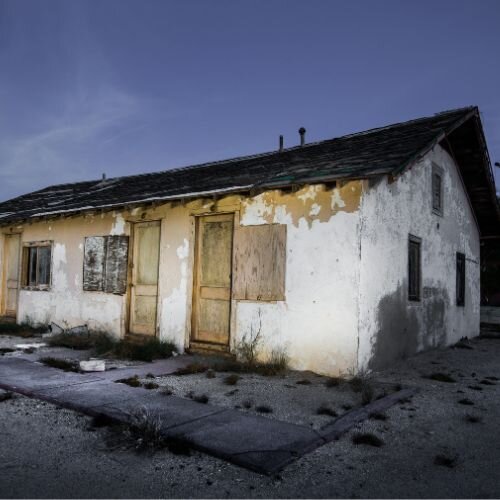
Before fixing a condemned property’s issues, you must recognize them. A condemned house frequently has a crumbling roof, a sinking foundation, or large holes in the walls. These issues usually result from worn or neglected things, but they can also be caused by harsh weather like earthquakes or floods. An abandoned building in a neighborhood is easy to spot because it’s falling apart and unmaintained. The closed windows, peeling paint, and overgrown grounds make it look abandoned. In addition to building defects, additional factors can condemn a dwelling. Mold, vermin, and asbestos can make a house unlivable.
A house with too much lead or arsenic may pose a major health danger that the government must address immediately. A condemnation order can also be issued if water, power, and sewage infrastructure are broken. Because they directly affect their safety and health. Oregon condemnation usually begins when neighbors or local officials raise concerns or spot health and safety issues. After finding a property, officials thoroughly inspect it to ensure it meets local housing standards. Not following these rules could kill you. Owners and renters may receive many violation letters before their property is seized. Many issues cause a house to be condemned. If the owner doesn’t have enough money, they may not fix it. This can break homes over time. If neglected, unoccupied homes fall apart quickly. These houses quickly go from overlooked to condemned. If homeowners know these signs and causes, they can fix their home before it’s taken. This improves their chances of fixing anything or selling the house as-is.
The Legal Implications of a Condemned House
There are many legal obstacles that could make selling or keeping a condemned house harder. Oregon houses condemned are public record. This makes selling difficult and lowers its worth. The owner struggles with this title since the government can order the house demolished or made safer. If Oregon homeowners wish to sell or live in their homes again, they must address these issues. The legislation prohibits living in or using a condemned house until it’s fixed. Thus, the land is in limbo and cannot be used for public or private purposes. Unless you obey the rules, you lose your land rights, and the housing authority could fine you. If you want to sell a condemned house, be honest with purchasers about its condition. Also, make any required disclosures. If you don’t, you could face legal trouble. For instance, lying could result in a lawsuit.
The legal process begins with a written condemnation order listing all offenses and hazards. This order also explains how to remove the “condemned” status, such as fixing structural or health hazards. The owner must work with house inspectors and lawyers to understand Oregon laws. You must follow local laws at every level of this process, which may take time to understand. The Oregon government can sell confiscated land even if there are concerns. You can sell the house “as-is,” but it will likely sell for less because it needs work. Since they see the land’s value or expansion potential, buyers don’t mind the problems. Laws must be followed during the sale. This means the house is in default, and anyone wanting to make major repairs must know. This needs advance planning by the owners. They may need to deal with foreclosure brokers to comply with Oregon’s laws. If everyone is honest about repairs and potential issues, it will be easier. Investors who want to enhance it would like this property. If homeowners know the rules, they can fix up or sell their homes.
When Does a House Become Condemned in Oregon?
Oregon local governments set house safety and comfort regulations. A home that doesn’t meet these standards may be condemned. This process might begin if the structure is broken, unhealthy, or neglected. Your local government does this. If the house is unsafe for residents or neighbors, they condemn it. Homeowners who want to fix these issues or sell a damaged home must understand what happened. When your house is condemned, many things might go wrong. Tips can assist you in handling them.
Common Reasons for Condemnation in Oregon

Oregon can seize a house for breaking the law or causing damage. Building defects are often the main cause of unsafe homes. Foundation issues, such as base cracks or leaning walls, can immediately endanger safety. A house with major roof or beam issues could collapse, making it unsafe to dwell in. Homeowners may not notice these issues until they see signs of failure, such as a sagging roof or major wall cracks. These signs alert neighbors and city residents to a potential issue.
Sometimes the house is in a horrible state, but sometimes it’s due to a significant illness. Lead and asbestos are in Oregon. Because of their health risks, residents and friends may be afraid of them. These materials were commonly used in ancient buildings, but they are now considered harmful, especially if disturbed during repairs or normal wear and tear. Mold often grows in homes with poor airflow or water damage. Mold can make breathing difficult, so the government must act quickly.
They deteriorate and are condemned because people leave them vacant. Overgrown yards, damaged windows, and vermin will soon appear if you don’t maintain your home. Remote properties often lack the necessary upkeep to address minor issues before they escalate into more significant problems. If the property becomes a sight or a threat, locals may complain. This could speed up inspections.
Failure to obey building codes worsens matters. Oregon homes must meet safety and living standards. If issues aren’t resolved, you may be condemned. This is especially true if they endanger water or electrical wiring. Your home may be considered “unsafe” while these issues are rectified if you don’t fix them. You must choose between spending a lot of money to repair a condemned house or selling it differently. If you do the second thing, a new owner may be better at fixing things. Consider these tactics to protect your rights if you face property seizure in Oregon:
Consult an eminent domain lawyer about your legal rights and choices.
- Attend public meetings to hear about potential building projects.
- Get a full home evaluation to ensure you get appropriate compensation if it’s taken.
- Contact city planners or developers about regulation changes that could help you stay home.
- Ask government officials about other project changes that would affect your home.
- If you’re afraid of being judged, these tips can help.
The Processes and Procedures of Condemnation
Oregon has several steps to ensure fair and thorough land condemnation. It usually begins when someone writes or has an inspector evaluate a property and informs the local authority of major issues. Specialists inspect the situation and assess the severity of safety or code violations. This is vital to determine if the property can be repaired or is dangerous to individuals and the region.
An inspection may result in a condemnation order, which tells people what to do to improve the condition. This document officially records the issues and solutions. Homeowners understand and must fix these issues. Some repairs may be allowed under these directives. If damage can’t be repaired, the building may be demolished.
Oregon landowners should have time to respond to condemnation notices. They have until now to appeal, fix the issue, or face punishment. Owners can use appeals to prove their case or offer a solution without losing the property. Now is the time to communicate with housing officials and negotiate fair schedules. Alternatives include selling the house “as-is” to fixers.
When condemnation terms aren’t met by the deadline, people pursue extra legal action. This could mean being evicted or losing your property. At this time, some owners may hire real estate agents who can handle bad deals. These professionals may help property owners engage with others, enforce restrictions, and explore selling opportunities. If owners take these steps, they may be able to reduce the negative effects of condemnation. In this manner, they can fix the house so someone may live in it again or sell it knowing its needs.
Is Selling Your Condemned Property an Option?
Oregon’s closed houses may seem unsellable. Knowing your limits will help you through the operation. Even though the house is “condemned,” many damaged property owners sell it as is. If you want to sell these things, know the rules. If all goes well, this might enable people to buy houses that need work or need to be demolished and sold for cash.
Approach to Selling a Condemned House as-Is
Selling a condemned house as-is can be easier. This is an excellent strategy to sell your property quickly without making many repairs. If you say “as-is,” the house will be sold with structural or cosmetic problems. People of various kinds buy or invest in these properties because they think the land will appreciate or be fixed up. Realtors frequently handle “as-is” deals well. They also like that buying properties without immediate modifications can save money. Knowing your potential buyers may help you sell your house. Foreclosed property buyers usually have a lot of money or are investors who can close a deal swiftly and are ready to remodel or rebuild. These buyers care more about the property’s long-term economic potential than its short-term living conditions, thus they don’t care about immediate harm. Because they don’t have to get the money, cash purchasers may move faster. They want the house because it’s in good enough shape to negotiate a nice price.
The property’s location, acreage, and pricing will generate future profits.
The sale of your home depends on knowing its problems. Notifying buyers that it’s illegal is both right and legal. Consider market trends and how much your Oregon home is worth if you want to sell it as-is. When Oregon real estate is bad, look at similar homes for sale. Consider that the house’s current price should fund improvements. If you price the house well, you can attract serious investors and long-term residents. For a better offer, call distressed or foreclosed home experts or real estate agents. These specialists can help you sell your house, negotiate the conditions, and ensure the closing follows the rules. They teach you everything about the market, helping you find the right buyers, whether they want cash or to rebuild. You must understand the agreement, the market, and what the property can do to sell Oregon condemned homes as-is. You can choose to achieve your money goals after reading this.
Legal Considerations for Selling Condemned Houses

Selling a repossessed home in Oregon requires a complete understanding of the constraints. State regulations affect sales. Foreclosed homes must be sold according to certain rules. Full transparency is essential. Potential buyers must be informed that a house has been condemned and has government orders. It’s crucial because it follows Oregon law and makes the contract clear. It also reduces the likelihood of post-transaction lawsuits. Knowing and following local laws is crucial. The deal will operate more smoothly. Oregon law prohibits some property regulations. These guidelines primarily protect buyers and ensure safety. These rules require homebuyers to be informed of the house’s condition, risks, and repairs. If you disobey the rules, you could be sued for lying or breaking property sale agreements, which could be serious. It’s excellent practice and the rule to mention all known issues. Liens on the title may make it more difficult to sell the property if it has major issues, such as structural instability or hazardous conditions. Buyers may require lawyers or Oregon real estate agents who know housing laws to handle this.
These partners advise consumers on how to resolve pending infractions or shift ownership of a foreclosed home. Liens and open repair orders on the property must be addressed or disclosed. These money claims might obscure the title, making relocation impossible. These liens must often be cleared before a valid ownership transfer. Thus, ensure compliance before it occurs. You can sell the property with issues or fix them before selling. When selling a house in Oregon, both parties must agree on the house’s condition before signing the contract. Finally, by addressing legal issues and communicating well, sellers can turn their foreclosed home into a marketable offering. Working with experienced foreclosed home brokers is the best way to ensure lawful transactions. Honesty and lawfulness can avert disagreements and unexpected bills. This aids sales. Knowing everything about the property’s state and legal difficulties makes people more honest and confident. This helps reach agreements quickly and well.
Strategies to Sell a Condemned House in Oregon
Selling a bank-owned home in Oregon is difficult, but with the right strategy, it’s feasible. Fixing up your home before selling might make it more desirable to buyers. Selling condemned houses in Oregon requires forethought and understanding of local laws. If you manage a foreclosed home’s issues properly and make them obvious to buyers, you may sell it.
Renovation and Correction Before Selling
In Oregon, foreclosed homes should be repaired before selling, especially if they have major structural or cosmetic issues. Sellers might attract buyers by upgrading or repairing their property. You might want to give up and sell the house as-is, but making smart repairs could make it worth more and sell faster. The technique involves identifying and fixing major structural or aesthetic faults that affect property performance. This could include fixing electrical issues, strengthening the base, or cutting overgrown plants and painting over peeling paint to improve the house’s street appeal. When you make these changes, a buyer may no longer need the house but may use it. This can speed up house sales. You can ensure your changes are legal by working with Oregon housing law experts. This speeds up house sales.
Fixing the issues that led to the condemnation makes the house safer, cheaper, and easier to sell. Real estate investors choose safer homes. If buyers know that repairs have been done, they may offer more money or negotiate more forcefully. By prioritizing repairs and modifications that maximize ROI, sellers can save money. To ensure the property meets or surpasses safety standards without exceeding budget, you must know what you want and be very attentive when making changes. Sellers can charge more and attract a wider range of buyers, from first-time homebuyers to experienced cash buyers looking for good investment opportunities. Consider the advantages and cons before rebuilding. If done well, you may turn a condemned property into a great homebuying site. In situations where repairs are not feasible, sellers may consider direct buyers such as Property Max who purchase properties in as-is condition. Contact us for more details.
Navigating Selling Challenges in Condemned Oregon Properties
Selling an Oregon foreclosed home is difficult, but sellers can overcome these obstacles. Many individuals think buying foreclosed properties is risky, which is concerning. This reduces the likelihood that buyers will want to buy them. Buyers prefer ready-to-move-in residences because they think that condemned homes will need expensive renovations and legal issues. Using a foreclosed home’s charm to enter the real estate market for less money will help you locate the right buyer. Investors, cash buyers, and developers may want to buy these properties because they see the land’s value or the potential to change them. If you market these things, feedback may not be as negative as it seems. Being honest about the property’s condition is the law in Oregon and will help you gain buyers’ trust. Oregon foreclosures are hard to sell due to all the limitations.
Sellers must collaborate with city and county officials to resolve liens, building code issues, and safety inspections. Buyers who hire pros who know how to bargain can get through problems they might not be able to handle alone. Real estate agents or professionals who know your local laws can help you set up inspections, handle legal issues, and write clear sales contracts. Sellers may struggle with the public and the law, but if they use innovative ways to comply, they can turn these issues into sales opportunities. If the house requires renovation, showing its potential can attract buyers ready to fix it up. Knowing why a buyer might want a condemned home in Oregon and marketing it correctly can help you turn problems into strategic advantages. Being condemned doesn’t have to be a big deal; it could be the first step toward a positive solution. If the government buys a house in Oregon, it’s hard to sell. Knowing local laws, fulfilling legal duties, and considering investors or developers who might acquire your home helps make this process easier. You’ll have the best chance of selling your home in Springfield and getting the most money if you’re honest about its condition and receive help.
Short sales and distressed property situations can involve legal, financial, and tax implications, including impacts on your credit. Property Max does not provide legal or financial advice. We recommend consulting with a licensed professional before proceeding.
What does it mean for a house to be condemned in Oregon?
A condemned house in Oregon is one deemed uninhabitable by local government authorities due to issues like structural damage or code violations. It requires either remediation or possible demolition to meet safety standards.
What are the common reasons a house might be condemned?
Major structural concerns, health hazards from poisonous chemicals, and keeping the building empty cause it to fall apart quickly. Safety and building regulations must be followed, or you may be expelled.
Can a condemned house in Oregon be sold?
Condemned homes can be sold “as is.” Sellers must follow state requirements and disclose the house’s condition. People who want to fix up these properties or value the land may acquire them.
What legal considerations must be addressed when selling a condemned property?
You can’t mislead about the property’s condition, pay bills, or disobey local laws
What steps can be taken to improve the sale of a condemned house?
Sellers can fix major issues to sell more homes. Professionals can solve legal and market issues to make selling your rundown home easier.
Helpful Oregon Blog Articles
- Do I Need a Lawyer to Sell My House in Oregon?
- How Do I Short-Sell My House in Oregon?
- Can I Sell My House for Less Than Appraised Value in Oregon?
- Selling a Condemned House in Oregon
- Selling a Hoarder House in Oregon
- Paperwork for selling a house by owner in Oregon
- Selling my parents’ house in Oregon
- Selling a Fire-Damaged House in Oregon
- Can a Seller Refuse Repairs After Inspection?
- Sell Your House And Successfully Move Out Of State
- Can You Sell A House As Is Without An Inspection
- Selling a House With Solar Panels