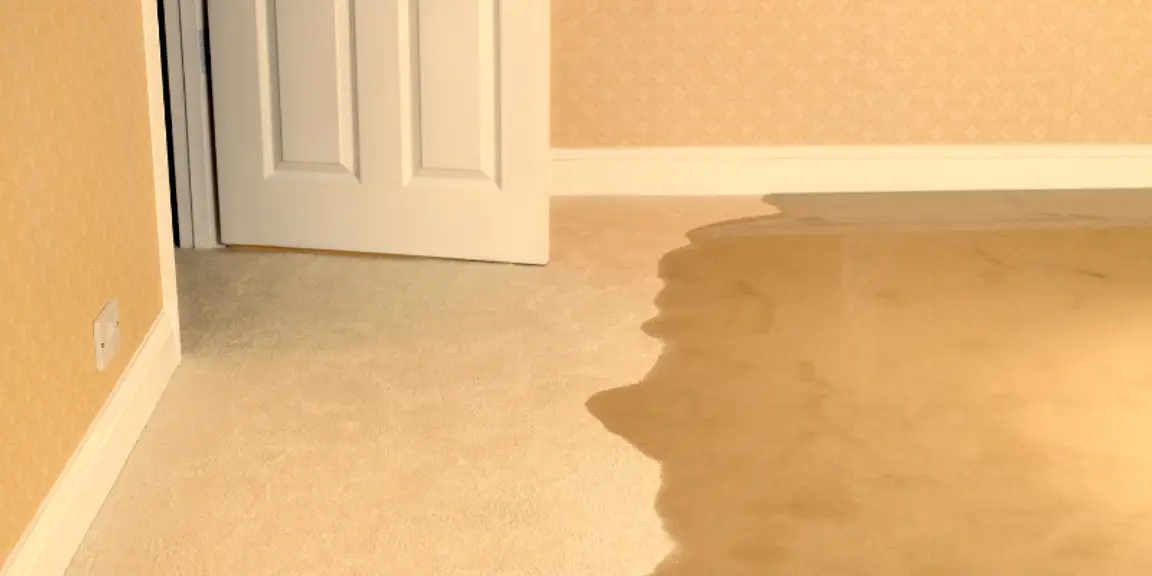

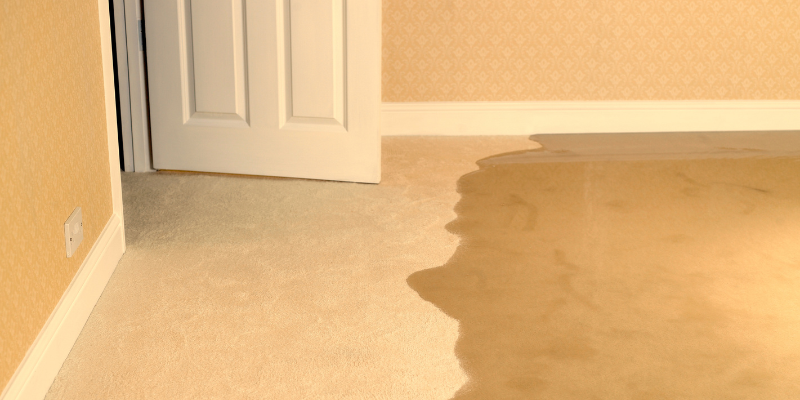
Most owners fear flooding. They see water spots on drywall and assume their house value has just disappeared. You can sell a house with flood damage, and there is a real market for it, but you have to know how that market works. Here’s what we have learned from buying hundreds of flood-damaged homes around Portland.
During the June 2024 peak home-shopping season, 52% of homes that were listed for sale in high-flood-risk locations sold, compared with 71% of properties in low-flood-risk areas. That means around half of the flood-damaged properties still attract purchasers. The trick is to get your property in the right place and to know your possibilities.
The flood damage generates uncertainty, and that spooks regular customers. But cash investors, renovation professionals, and our team at Property Max see opportunity where others perceive issues. They know how to deal with the nuances of a flood-damaged house and can sometimes close in a matter of days without the usual financing problems.
Your selling plan will depend on a number of factors: the level of the damage, your timeline, your financial state, and local market conditions. There are three primary ways to go.
- Fix it up and sell it the traditional way.
- Sell it to a cash buyer as is.
- Get creative and try some other way to sell it.
Critical Flood Damage Evaluation and Expert Property Inspection
Before you can price or market your home, you need to know exactly what you’re working with. Water damage is not always obvious, so if you cannot give precise proof, purchasers will assume the worst.
Start with a professional inspection that particularly checks for flood damage. Home inspectors may miss big issues, including foundation deterioration, electrical system faults, or mold growing behind walls. You need someone who understands the flow of water through a structure and can spot the visible and hidden damage.
Take photos and write reports detailing everything. There are many reasons for this documentation: it allows you to understand repair costs, it provides transparency to possible buyers, and it supports insurance claims. In these situations, the value may be reduced by 20% to 30% depending on the amount of the damage, the property’s flood history, and the risk factors involved. The extent of this devaluation relies on numerous aspects, such as whether the house is located in a flood zone that could be subject to repeated water damage and whether the flood was a one-time event.
Pay special attention to structural elements, electrical systems, HVAC equipment, and insulation. In fact, when there is water damage, these systems are generally replaced entirely, not just cleaned. Foundation problems can be very expensive and greatly affect the marketability of your property.
Imagine bringing in professionals for particular problems. Mold remediation businesses can determine fungal growth hazards. Structural engineers can evaluate the integrity of the foundation. Electrical contractors can tell you if the wiring in your home needs to be replaced. These expert judgments have real credibility with purchasers and can actually improve confidence in your property when faults have been appropriately resolved. This also directly addresses one of the most common questions sellers face: can a seller refuse repairs after inspection? Having documented professional assessments and completed remediation work puts sellers in a much stronger position, whether they choose to negotiate, offer credits, or proceed with a full asking price.
Insurance Claims Process and Documentation for Flood-Damaged Properties
Your insurance scenario has a lot to do with your selections and timing for selling. Most homeowners learn too late that basic homeowners’ insurance does not cover flood damage. You will need to buy a separate flood insurance policy to get this protection.
If you have flood insurance through the National Flood Insurance Program (NFIP) or a private provider, file your claim right away. Clean up after everything has been documented. Insurance adjusters need to view the damage in its original condition, and early cleanup can complicate or invalidate claims.
Keep careful receipts for everything you spend on the flooding. Temporary lodging, emergency repairs, expert cleaning, and damage assessment charges may be paid. There is also disaster assistance through the Federal Emergency Management Agency (FEMA) in declared disaster zones. This usually covers just the most basic necessities, not full restoration of the property.
Realize that insurance payouts can take months. FEMA said only 4% of homeowners carry flood insurance despite floods having affected 99% of the country’s counties. Many people in non-disaster-prone areas, where flood insurance isn’t required, may think they don’t need the extra coverage (although over 40% of flood insurance claims come from outside high-risk flood zones), while others simply don’t understand what house insurance covers.
If you are selling before your claim settles, you will have to be careful with the transfer. Some buyers will wait for insurance benefits, while others want to buy cheap and self-insure. The latter is generally preferred by cash purchasers as it removes the ambiguity and speeds up the deal.
Keep good records of the status of your claim. Potential purchasers need to know what insurance funds may be available and when. This information impacts your asking price and the buyer’s financing choices.
Assessing the Effect of Flood Damage on Property Value and Marketability
Flood damage affects property values, although the impact depends on location, level of damage, and local market conditions. The analysis found that single-family properties zoned within a floodplain lose about 2 percent of their value, which is $10,500 for a $500,000 property or $21,000 for a $1 million home. The researchers said that if buyers had taken into account the expense of adequately insuring that home in the floodplain against damage, it would have depressed prices by between 4.7 percent and 10.6 percent, as much as $53,000 for a $500,000 home or $106,000 for a $1 million home.
Location is everything. Properties in known flood zones tend to have less impact on value, as buyers expect flood danger. Unexpected flooding of homes in less traditional floodplains could result in higher value losses as buyers worry about future disasters.
The extent and type of damage also affect value impact. Floods that merely affected floors and lower walls generally have less impact than floods that destroyed electrical systems, HVAC equipment, or structural elements. In single-story homes, ground-floor flooding is often a bigger worry than basement flooding, if basements are prevalent.
It’s all about market conditions. Flood-damaged properties could sell fast in hot seller’s markets despite damage. You’ll have greater competition in down markets and maybe deeper discounts. As cash home buyers in Portland, we track these market dynamics and can give you a realistic opinion of your property’s current market value.
Think about the pool of buyers for your home. Traditional homebuyers are usually scared off by flood-damaged homes because of financing and future selling problems. But there could be opportunities for investors and refurbishment specialists in buildings needing work.
Water Damage Restoration vs. Selling As-is: Does It Pay Off?
This decision can often impact your timing to sell and your net proceeds. Restoration can bring you top dollar, but it costs a lot of money and time up front. You get liquidity faster with an as-is sale, but usually at a lower price.
Be sure to thoroughly calculate restoration expenses. Water damage remedies often reveal other concerns. What begins as drywall restoration can snowball into electrical rewiring, HVAC replacement, and foundation repairs. Get precise estimates from licensed professionals before you agree to restoration.
Allow for carrying costs throughout restoration. Your house stands unoccupied while you make mortgage payments, insurance premiums, utilities, and property taxes during repairs. These can easily run into thousands of dollars per month, eating down your restoration investment’s return.
It’s a market timing decision. If you’re in a hot seller’s market, a restoration could be worth a ton of money. In slower markets, you may return little of your restoration investment.
Here’s something many homeowners don’t hear: once you factor in carrying costs, unexpected repair expenses, and the uncertainty of market timing, selling your house fast as-is to a cash buyer can often result in proceeds comparable to completing major renovations first. Cash buyers can close quickly, eliminate the hassle of coordinating repairs, and take care of the entire process for you. In many cases, you can even sell a house as-is without an inspection, since these buyers evaluate the property themselves and price in the repair work upfront. Companies that specialize in damaged or distressed properties are equipped to handle the repairs and improvements themselves, allowing you to move forward without the added stress, delays, or upfront costs.
Flood-Damaged Homes: Repairs and Improvements to Get Ready to Sell
If you’re planning to sell, give the highest priority to repairs that restore safety and structural integrity. Buyers want to know that the property is safe and livable.
First, moisture removal and mold avoidance. Any moisture left behind will cause further harm and complications later on. The correct restoration includes professional water extraction, dehumidification, and antibacterial treatments.
Electrical systems should be dealt with early. Water and electricity don’t mix, and purchasers won’t look at properties with uncertain electrical safety. Ensure that a licensed electrician checks and certifies that all electrical components are safe and up to code.
HVAC systems need extra maintenance after flooding. Mold and other contaminants can build up in ductwork, affecting air quality throughout the house. Furnaces and air conditioning units may have to be replaced entirely if they were submerged.
Focus on obvious enhancements that show buyers you’re restoring quality. A renovation done well shows in fresh drywall, new flooring, and upgraded fixtures. Buyers will be doing inspections, and cheap cosmetic band-aids will be exposed.
Take pictures and keep receipts of your restoration. Buyers want to know that repairs were made properly by licensed people. This documentation also helps with future insurance claims and gives useful information for the new owners.
Consider modifications to lessen flood danger in the future. Elevated utilities, improved drainage, waterproof basement systems, and flood-resistant building materials might actually raise your property’s value for buyers concerned about future flooding.
Legal Disclosure Requirements When Selling Water-Damaged Real Estate
Flood-related disclosure laws differ substantially by state, so start with the rules where your house actually sits. In Oregon, most sellers of residential property have to give the buyer a Seller’s Property Disclosure Statement under ORS 105.464.
That Oregon form asks about water directly. You state whether there are problems with standing water or drainage, whether the property has taken material damage from a flood, and whether it sits in a designated floodplain, where flood insurance may be required. The buyer then has five business days from delivery to revoke the offer, unless that right was waived.
Many states mandate that known material faults be disclosed, which usually includes flood damage. The important word is “known”: you have to reveal what you know, but you’re not obligated to probe for hidden problems. But failing to address visible water damage can create legal liabilities.
At least one-third of states do not require a seller to disclose to a prospective buyer the flood risks or past flood damages to a property, either by statute or regulation. The other states have various disclosure requirements. This jumble of state and local rules leaves purchasers unable to make completely informed selections.
Work with an experienced realtor or a licensed real estate attorney who is familiar with your local disclosure laws. Improper disclosure might result in lawsuits, transaction delays, and financial consequences. More information is better than less when in doubt.
Consider giving additional documents above the minimum legal requirements. Inspection reports, repair invoices, and insurance letters assist purchasers in visualizing the state of the property and your attempts to correct problems.
Pricing Strategies for Flood-Damaged Properties in Today’s Market

Pricing flood-damaged houses is a balancing act between realistic market conditions and your financial needs. The small pool of buyers for damaged homes is driven away by overpricing. Underpricing leaves money on the table.
Look for other flood-damaged properties for sale in your neighborhood. Standard comparable sales analysis does not function very well for damaged properties because the damage variables are too large. Check for properties that have sold recently with similar sorts and extents of damage.
Remember to include your carrying costs when considering timetable expectations. A home that’s been flooded often sits on the market longer than one that hasn’t. You’re paying mortgage payments, insurance, utilities, and opportunity costs for every month it’s on the market.
Offer seller finance or lease-purchase solutions. These are attractive to buyers who can’t qualify for standard mortgages due to the condition of the property. But such arrangements need to be carefully structured legally to safeguard your interests.
Price depends on your selected selling approach. If selling to cash purchasers as-is, price aggressively to elicit numerous offers. If you’ve restored the property, price it closer to comparable undamaged properties, but still consider buyer concerns about flood history.
Be ready to adapt prices according to what the market tells you. If you’re not getting showing action in two weeks, your price is certainly too high for present market conditions.
Selling Flood-Damaged Homes to Cash Buyers and Investment Firms
The most plausible group of buyers for flood-damaged properties is cash buyers and investment companies. They understand the risks and have the means to process complex transactions promptly.
Find investors who target damaged buildings. These clients are familiar with flood repair and know the genuine expenses. They can make solid offers without the risk that terrifies traditional purchasers.
Your marketing should be about fast and easy. Cash buyers frequently want rapid closings and not much transaction complexity. Let them know you’re motivated to sell and can close swiftly without repair contingencies.
Provide full documentation of damage in advance. Serious cash purchasers want to know exactly what they are purchasing. They will make a faster, better offer when you hand over the full inspection reports, repair estimates, and insurance paperwork.
Property Max buys damaged properties across the Portland metro, and we buy houses in Gresham and the surrounding suburbs too. We can often make a cash offer within days and close within weeks, which removes the uncertainty of a traditional sale.
Use online sites catering to investors. Old-school MLS postings could not be seen by your ideal buyers. Investor-oriented sites, social media groups, and direct marketing to local investment companies may be more effective.
Other Sales Methods: Auctions, Wholesalers, and Direct Sales
You are not required to do a regular real estate sale. Other sales strategies could lead to quicker time frames or specialized buyers.
Real estate auctions can bring forth intense bidding from investors and cash buyers. Auctions work best with one-of-a-kind properties or when conventional finance is hard to get. But auction houses normally take a big cut, and you’ll have to set reasonable reserve prices.
Wholesale buyers buy properties at a deep discount and sell them quickly to other investors. You’ll get less than market value, but wholesalers generally may close in days and handle all transaction difficulties.
Direct purchase companies have entered the damaged property markets. These corporations employ automated appraisal methods to make offers quickly, but usually buy for less than the homes are worth. The compromise is speed and convenience.
Consider seller financing deals with suitable purchasers. This may be attractive to buyers who can’t get conventional financing because of the condition of the property. You’ll need to get legal advice to set up these arrangements correctly, but they can provide a stable revenue stream and possibly higher sale prices.
Lease-purchase arrangements allow prospective buyers to rent a property while working toward ownership. This option can be ideal for buyers who want to complete renovations gradually or need additional time to secure financing. Alternatively, homeowners seeking a quicker and more straightforward sale may consider selling to a company that buys houses, which can often provide a fast cash offer and flexible closing timeline.
Closing Process and Final Steps for Flood-Damaged Property Transactions

Selling property destroyed by a flood involves attention to details not involved in a regular transaction. Insurance transfers, after disclosures and documentation of damages, all need to be handled carefully.
Coordinate insurance transfers well. If there are flood insurance policies or ongoing claims, consult with insurance carriers to ensure they are transferred or assigned properly. Some purchasers prefer to purchase their own policies rather than take on the coverage.
Prepare detailed disclosure packets. Attach all inspection reports, repair records, insurance correspondence, and any other relevant information regarding the state of the property. Full disclosure protects you in the eyes of the law and helps achieve smooth closings.
Take the initiative to address title concerns. Flood damage can also lead to title problems, especially if insurance earnings or government help caused liens. Use skilled title companies with experience in damaged property transfers.
Expect long due diligence periods. Flood-damaged property buyers often want more time for inspections, insurance estimates, and financing agreements. Put realistic timelines in your purchase agreements.
Think about escrow systems for repair credits or insurance payouts. If repairs are necessary after closing or if insurance proceeds are pending, escrow accounts can protect the interests of both parties and help facilitate closings.
Work with professionals who have experience handling damaged property transactions. Lawyers, title firms, and brokers who understand the sale of flood-damaged homes can help streamline the process, prevent costly delays, and address potential issues before they arise. If you need a faster solution, Property Max buys houses for cash. Contact us today to discuss your options and receive a no-obligation cash offer.
FAQs
Difficulty Selling a House in a Flood Zone
Selling in a flood zone is difficult, not impossible. Houses in flood-prone locations are less likely to sell. The June 2024 figures above show how much slower high-flood-risk listings move than low-risk ones. The trick is to price it right and target the right buyers. Cash buyers and organizations that specialize in houses in flood-prone areas are usually the best bet for a rapid sale.
What Is the 3 3 3 Rule in Real Estate?
The 3 3 3 rule says that in the first 3 days, you will get 30% of your showings, and if, after 3 weeks, you are not getting showings, you will know that your pricing is wrong. For flood-damaged properties, this period might typically be longer because of the specialized pool of buyers. It may take you 2-3 weeks to measure early interest and 4-6 weeks to see if you need to modify pricing.
What Month is the Worst to Sell a House?
December and January are traditionally the weakest months for sales because of the holidays and the weather. For properties destroyed by floods, the type of buyer is more important than seasonal considerations. Timing may not be as much of a concern for traditional buyers, who tend to be more active in the spring and summer months, as cash investors and remodeling professionals work year-round.
What Causes a House to Depreciate?
Foundation difficulties, electrical problems, and major water damage are the most common value killers. How far the value falls depends on how bad the damage was, whether the house has flooded before, and what the ongoing risk looks like. But the repercussions could be minimized with good restoration and transparent communication. The trick is to deal with purchasers who know renovation expenses and perceive potential, not issues.
Selling a Flood-Damaged House Does Not Have to Be a Nightmare
You have options, and the best choice for you will depend on your unique situation and timing. Know the procedure, whether you are selling as is, restoring, or using other approaches.
If you want to chat about your alternatives, we’re here. No pressure, no commitment. Sometimes a chat with someone who has handled hundreds of these can help explain your best course forward. We grasp the complexity and can often offer solutions that traditional sales tactics cannot match.
A house that floods is not the end of the world. It’s just another type of selling difficulty. And challenges can be handled with the appropriate information and technique.
Helpful Portland Blog Articles
- Best and Worst Neighborhoods in Portland, OR
- Portland, OR Property Managers: 7 Property Management Companies to Contact!
- Portland, OR Property Tax Rate: How Much Are You Really Paying?
- Portland, OR Closing Costs Calculator: Find Out How Much You’re Paying!
- Portland, OR Capital Gains Tax Calculators
- How To Sell A House That Has Flooded