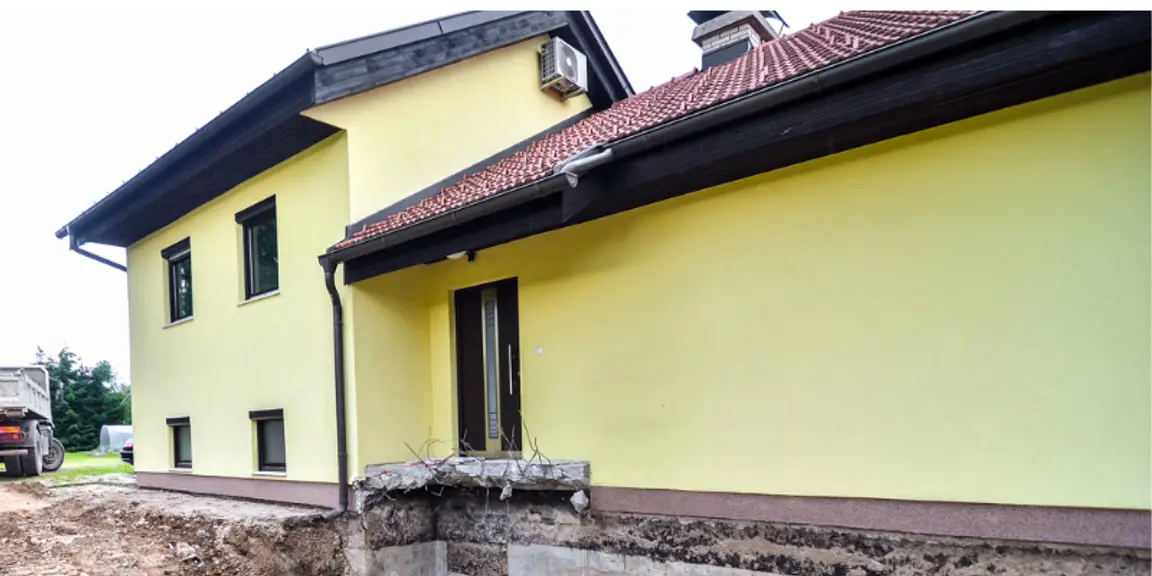

Noticing cracks in basement walls is a common concern for Oregon homeowners from Milwaukie to Hillsboro. Even with home prices around $508,100 in March 2026 and slight year-over-year declines, foundation issues don’t have to derail a sale. Though daunting, many sellers manage to get through these issues. Throughout Oregon, from the coast to Bend, homeowners have learned to turn tough foundation problems into practical and sometimes profitable solutions with the right approach.
How to Identify Foundation Problems Before Selling Your Oregon Home
Spotting foundation issues early can save you thousands, especially in Oregon, where the wet climate and shifting soils create distinct patterns of damage. Check for cracks all over the foundation walls of your home; there should be no gaps between the foundation and siding, and no evidence of settlement as a result of moisture intrusion.
Inside your home, stickiness or the inability of your windows and doors to stay open or closed properly may be a symptom of moisture settling in your home’s foundation. In bedrooms/or crawl spaces, and/or damp spaces, check for horizontal cracks or bowed walls. Water stains, gaps between the floor and the foundation, and an uneven floor above should not be present. All of these factors indicate the home is not structurally correct.
Changes in soil from wet winters and dry summers lead to expansion and contraction, worsening problems over time. Certain plumbing issues, such as persistent backups or higher water bills, are also likely due to soil shifts or settling that affect your underground plumbing. Soil is different all over the place, from clay-heavy soil in the west to areas with volcanic soil, so the cost of a professional inspection, usually in the hundreds, is worth finding potential issues and avoiding more costly repairs.
Property Max provides a fast, fair cash offer for homes with foundation issues in Oregon, letting homeowners sell as-is without costly repairs. We keep the process simple and transparent, helping you move forward quickly with a no-obligation offer.
Foundation Inspection Process and Documentation for Oregon Sellers
Documentation can make or break your foundation sale strategy. Many sellers lose thousands simply because they cannot clearly prove that foundation issues are minor, stable, or properly managed. Strong documentation builds buyer confidence and protects your asking price. It also helps you negotiate from a position of clarity rather than uncertainty.
Start with a professional structural engineer’s report. In Oregon, licensed structural engineers are often required to evaluate significant foundation concerns, and their findings carry weight in negotiations. A standard inspection usually takes 2 to 4 hours and covers cracks, bowing walls, soil conditions, drainage, signs of interior movement, and load-bearing elements.
Always ask for a thorough written report accompanied by photos. You will be able to use this as a key negotiating tool. Buyers prefer open communication grounded in expert analysis. For serious issues, you may want to consider getting a few different opinions, which will cost approximately $250 to $600 each, as differing suggestions will have a big impact on repair choices and pricing.
Time your inspection strategically, ideally before listing. Oregon’s wet season from October to April can reveal hidden water-related issues more clearly, so late winter inspections work well for spring sellers. Document every repair, warranty, permit, maintenance, and construction detail to prepare for the buyer who may want to do structural calculations or soil tests.
Understanding Oregon Building Codes and Foundation Standards
Oregon building codes are designed to account for seismic risks and a wet climate, promoting building methods such as reinforced foundations, moisture barriers, and proper drainage systems, and allowing for increased airflow. These characteristics remain constant due to the volatility of earthquakes and moisture levels in the area and greatly influence the methods used to construct a building, as well as what buyers expect.
Foundation types differ around the state. Crawlspaces are the norm in western Oregon, while east Oregonians have a penchant for basements. The extent of the work determines whether a permit is required. Minor repairs typically don’t need a permit, while structural changes and big renovations do. These changes and renovations must comply with the building code, for example, regarding energy efficiency and insulation.
Compliance with these codes affects insurability, resale value, and liability, making proper documentation essential during a sale. Some jurisdictions, such as Portland, may impose additional seismic retrofit requirements, so checking with local building departments is important. Verified code compliance helps strengthen buyer confidence and supports smoother transactions.
Legal Disclosure Requirements for Foundation Defects in Oregon Home Sales

Oregon law requires sellers to disclose known foundation issues under the Oregon Property Disclosure Statement. This includes structural defects, past repairs or modifications, moisture or water damage affecting the foundation, engineering reports or professional assessments, and any related insurance claims. This applies to most residential property sales in Oregon, including transactions involving Oregon cash buyers.
Failure to disclose relevant problems can be grounds for a lawsuit long after the sale is completed. In Oregon, buyer claims have always been upheld when sellers fail to disclose material facts. Sellers have been sued for years after the fact for nondisclosure. Being forthright is much less expensive than the risk of both legal and financial problems. Courts do not look kindly upon nondisclosure.
It’s important to document everything you know about your foundation’s condition, even minor cracks that haven’t been professionally evaluated. Previous foundation repairs, no matter how old, must also be disclosed, along with any history of water intrusion, which is especially relevant in Oregon’s wet climate. When in doubt, disclose it.
Inspection reports and engineering findings must be communicated to prospective buyers as soon as they are received. Every effort must be made to document all disclosures and communications and to seek legal counsel when appropriate, in order to protect the interests of both the buyer/seller and to assist in ensuring legal compliance.
Cost-effective Foundation Repair Solutions for Oregon Homeowners
A big repair bill isn’t always associated with a foundation problem. Knowing the economic repair options helps you determine which issues require attention prior to sale. Smart early choices can save you from costly mistakes. Before these bills reach you, know that in Eugene, the approximate range of foundation repair costs is $3,410 – $5,864, and in the absence of severe foundation problems, $4,024 – $5,251 is the range likely to be associated with the cost of the solution. They serve as a fair starting point for homebuyers when creating a budget.
Minor crack repairs are the most affordable option, often costing only a few hundred dollars. Small fixes like these can quickly improve a home’s appearance and buyer confidence. Drainage improvements, such as gutters, downspouts, or French drains, usually range from $2,000 to $8,000 and can prevent much more expensive future damage. Proper water control is one of the most effective long-term protections for foundations.
For major structural issues, foundation underpinning or piering costs $15,000 to $25,000+. Repairs are often required when the structure’s stability is at risk. Sometimes, rather than undertaking a major structural repair, it is more beneficial to extend a repair credit to prospective buyers. This considerably eases negotiations and possibly accelerates the sale. Obtaining offer from multiple contractors and scheduling repairs during the dry season are other ways to contain costs. Planning ahead almost always leads to better pricing and fewer delays.
Contractor Vetting and Foundation Repair Quality Standards in Oregon
Choosing the right contractor can mean the difference between a lasting repair and future problems. Oregon’s foundation repair industry includes both skilled professionals and unreliable operators, so careful vetting is essential before hiring.
Check their license, bond, and insurance status in the Oregon Construction Contractors Board database. That way, you’ll know that the contractors you are thinking about have the bare minimum legal requirements completed. You should also check for past complaints or disciplinary actions to identify any other potential issues.
Being experienced with Oregon’s soil and drainage, as well as seismic factors, is also important. Try to get as many local references as possible, and visit their completed projects to assess the quality of their work. If they have a proper geotechnical understanding, their repairs are less likely to fail again and are likely to last a long time.
Get written estimates from contractors that detail all aspects, including scoping, supplies, scheduling, guarantees, legalities, and post-work clean-up. Don’t make transactions with contractors who want all payment up front, squeeze you for quick decisions, or insist on contracts that are only verbal. Insist on payments contingent on reaching agreed milestones, hold contract total payment until satisfied, and photograph the progress and final work for your protection and to preserve your future sales interests.
Comparative Market Analysis for Foundation-compromised Oregon Properties
Analyzing sales comparables with foundation problems is the starting place Oregon real estate practitioners must begin when valuing property with foundation challenges. It assists with determining the price implications of a property sale and whether costly repairs are justified. Portland’s median home price increase of 5.1% in March of 2026, with the average home price about $525,000, which is a useful barometer for determining how much a property’s price may be impacted by foundation problems.
Foundation problems often reduce a home’s value by 5 to 15 percent. Slightly damaged foundations with small cracks have the lowest value, while more serious structural problems often lower the value by 20 percent or more. The impact also varies by location, with high-demand areas in Portland often absorbing the discount better than rural parts of Oregon, where buyer demand is thinner. Recent comparable sales from the past six months are the most reliable way to see how local buyers are pricing in these defects.
Market behavior also plays a key role. Properties suffering from foundation problems can take anywhere from 20% to 40% longer to sell. Additionally, if homes are priced too high from the start, they may require multiple price reductions. That said, homes with foundation problems are the focus of investor and cash buyers, which may offset the minor effects of slower demand and, in some cases, expedite sale in the face of a lender-initiated issue.
Pricing Strategies for Selling Houses with Foundation Damage in Oregon

Oregon’s competitive real estate market requires strategic pricing for homes with foundation issues. With demand varying by city and region, homes in stronger markets like Portland, Eugene, and Bend may still receive multiple offers and sell relatively quickly, while other areas may take longer. These conditions create opportunities, but only when pricing aligns with buyer expectations.
Begin with a foundation assessment from an appraiser who understands the Oregon market. Set your pricing approach based on the level of aggression. For an as-is sale, price to the bottom of the market to draw in investors. If you’re willing to make repairs, price to the market, and build compelling value to justify your price.
Timing the season, doing flexible pricing, and offering incentives to buyers can all get better results. Winters usually favor move-in-ready properties, while Springs bring in the most renovation-minded buyers in Oregon. Often, offering repair credits or assistance with closing costs is more beneficial than a general price drop. An agent familiar with foundation-compromised property in Oregon can help you with decision-making and provide quick responses to market feedback.
Contact us for a fast cash offer on your Oregon home with foundation issues. We buy properties as-is in Portland, Eugene, Bend, and nearby areas, offering fair, market-based pricing with no repairs needed. Get a simple, no-obligation offer and close on your timeline.
Marketing Techniques for Houses with Known Structural Issues
Marketing foundation compromised homes requires a bit of strategy in positioning the homes and understanding buyer psychology. Present the property in ways that inspire trust to a limit, but highlight opportunity. The objective is to attract the right buyers while communicating the property’s potential and constraints.
Be as explicit as possible in the marketing materials. Front foundation problems, but frame them within the context of potential and opportunity. Through this, trust is built, and buyers unwilling to take on the project are effectively filtered out. Also, clear and honest communication is greatly appreciated along the way and will establish credibility while greatly mitigating issues during negotiations.
Professional presentation still matters. High-quality photos should highlight the home’s strengths, while repair documentation, engineer reports, and before-and-after images help reassure buyers about the property’s condition and any work already completed. These materials help buyers better understand the scope of repairs and build confidence in the listing.
Target your marketing efforts to investors, contractors, and renovation-oriented buyers with phrases like “handyman special” and “investor opportunity.” You may even try offering honest virtual tours of affected areas. Pricing that aligns with property condition and is clear to buyers will set realistic expectations for what you’re offering. This will attract buyers who meet the property’s condition and objective.
Alternative Selling Methods for Damaged Foundation Properties in Oregon
Traditional real estate sales aren’t always the best option for foundation-compromised homes. Alternative selling methods can sometimes provide better results with less hassle.
Direct Cash Sales: It eliminates many complications associated with foundation issues. Cash buyers typically purchase homes as-is, removing the need for repairs, inspections, or lengthy negotiations, including investor home buyers in Salem and other Oregon cities who actively purchase distressed properties.
Auction sales: Works well for foundation-compromised properties. They attract investors and contractors who understand repair costs and are prepared to offer fair-market pricing, often resulting in fair-market pricing.
Investor partnerships: Offer another alternative. Some investors will partner with homeowners to complete foundation repairs and share the profits from an eventual sale.
Rent-to-own arrangements: Effective when foundation issues block traditional financing. This option allows you to generate rental income while giving tenants time to secure future financing that accounts for the property’s condition.
Estate sale companies: Occasionally handle real estate when foundation issues complicate traditional sales. This option works particularly well for inherited properties with foundation problems.
Local flippers or contractors: Selling to flippers or contractors can be a strong option. These buyers actively seek distressed properties and often price offers based on after-repair value (ARV), even with significant foundation damage.
Owner financing: Opens the door to buyers who cannot qualify for traditional loans due to foundation issues. While it requires careful legal structuring, it can sometimes lead to higher overall sale prices.
Wholesale Sales: Arrangements with real estate investors provide the fastest exit strategy. However, they typically come with lower sale prices in exchange for speed and convenience.
Negotiating Repairs Vs Price Reductions in Oregon Real Estate Transactions
Whether you choose to repair a problem or provide a price credit to the buyer will affect the net proceeds you receive and the speed at which you sell your home. Repairing the problem or price credit offer will change buyer interest, negotiations, and timelines. Choosing the alternative that yields the best balanced outcome will ultimately create the best situation for the seller.
Foundation issues range widely in repair costs, depending on the issues. On average, you can expect to pay $3,500 for repairs. In Eugene, Oregon, the average repair cost is roughly $3,410 to $5,864. When deciding whether to perform the repairs or rather offer a credit, it is beneficial to compare repair costs with the range of credit values.
With minor foundation issues, repairs are often the more cost-efficient option. Simple repairs, such as crack sealant, minor drainage work, or minor cosmetic work, cost little. As a result, you can increase buyer confidence and gain an overall confidence increase in the foundation of the home post-repair. Repair costs for these tasks almost never exceed the value of the home, and are opportunities to showcase the owner-occupant’s history of property care.
For more serious structural problems, offering credits may make more financial sense. Major foundation repairs can be expensive and may not fully translate into a higher sale price. In addition, buyer preferences, timing constraints, contractor availability, warranty considerations, and overall market conditions all influence whether repairs or credits are the smarter strategy in a given situation.
Insurance Claims and Foundation Damage in Oregon Real Estate Sales

Insurance considerations when selling a house with foundation issues can be complicated. Knowing how claims and coverage work gives you an advantage and improves your conversation with buyers. These factors can also be expected to affect pricing, negotiation, and the pace of the transaction.
Most issues around a house’s foundation (like settling, soil erosion, and improper maintenance) are not covered under regular homeowner’s insurance. However, if it were caused by a sudden event, such as a water pipe bursting or an earthquake, the insurance may apply. Each insurance company has its own terms for its policies, so be sure to check your policy and inform yourself to assist with a purchase and listing.
If a property has prior insurance claims, this information must be disclosed to a buyer. In addition, the claims history may affect the buyer’s insurance costs, at times resulting in higher premiums and/or limited coverage than the buyer needs. Not disclosing this information may result in legal and financial problems before, during, and after the sale.
In an earthquake-susceptible region like Oregon, seismic foundation damage and the coverage that earthquake insurance provides can be a top priority for some buyers. Thorough documentation of repairs and experienced insurance agents can avoid some of the more troublesome aspects of the sale process. Some repair techniques can affect repair insurability down the line; using certain prefabricated techniques can be most advantageous.
Tax Implications of Selling Below-market Properties with Foundation Issues
Foundation problems can significantly affect your sale price, creating both tax advantages and complications. A lower sale price can reduce or even eliminate capital gains taxes, depending on your original purchase price, improvements, and overall adjusted basis. This makes accurate property valuation especially important when determining your potential tax outcome. Buyers often factor structural issues heavily into their offers.
Repair costs and other foundation-related expenses may be deductible in certain cases, especially if completed before sale and treated as selling expenses. If the sale results in a loss below your adjusted basis, you may also qualify for loss deductions, though rules vary depending on the property type. Keeping detailed receipts and contractor records is essential for supporting any deductions you claim. Eligibility often depends on whether the work is classified as a repair or a capital improvement.
For rental properties, depreciation recapture rules still apply even when foundation issues reduce value. Complex situations, such as 1031 exchanges, can also be affected by a reduced sale price. Because these tax outcomes are highly situational, it’s important to document all expenses carefully and consult a tax professional to plan the timing and structure of the sale effectively. State tax rules may also add additional considerations beyond federal requirements.
Post-sale Liability Protection for Oregon Sellers with Foundation Problems
Protecting yourself from post-sale liability starts with thorough documentation and honest disclosure. Clearly disclose all known foundation issues, provide professional inspection reports, and maintain detailed records of all communications with buyers. This documentation creates a strong legal record that demonstrates good faith and helps protect you from future claims.
Your sales contract should also include clear warranty disclaimers and “as-is” language when appropriate. Proper contract wording can significantly limit liability for foundation problems discovered after closing. Foundation issues may also affect title insurance, so accurate disclosure is important to avoid future disputes or claims.
For complex situations, work with an experienced real estate attorney to ensure your contracts and disclosures are properly prepared. Understanding Oregon’s statute of limitations for different claim types can help you evaluate ongoing risk, and maintaining insurance coverage after the sale provides added protection if claims arise months or years later.
Foundation problems don’t have to spell disaster for an Oregon home sale. Countless sellers successfully navigate these challenges by approaching them strategically and transparently. The key is understanding the available options and choosing the right approach for the specific situation. Whether that means completing targeted repairs, selling as-is to cash buyers, or working with experienced professionals who understand foundation issues, there’s always a path forward. With the right plan and honest communication, sellers can still attract serious buyers and close a successful sale.
Frequently Asked Questions
Is It Hard to Sell a Home with Foundation Issues?
Selling a home with foundation issues is definitely more challenging than selling a pristine property, but it’s far from impossible. You’ll likely face a smaller buyer pool and potentially longer days on market, but the right pricing strategy and transparency can still result in a successful sale. Cash buyers and investors often specifically seek these properties, which can actually create competitive situations.
What Devalues a House Most?
Foundation problems rank among the top factors that devalue homes, typically reducing value by 5-15% depending on severity. However, location issues, major structural problems, and environmental hazards can have an even greater impact. The key is understanding that foundation issues are often repairable, while some other devaluing factors are permanent.
What Not to Fix Before Selling a House?
Don’t tackle major foundation repairs unless you’re certain they’ll add equivalent value to your sale price. The sooner the repairs are completed, the better your track record will be for potential buyers. However, expensive structural work often costs more than the value it adds, making price reductions or buyer credits more profitable approaches.
If you’re overwhelmed by foundation problems and exploring options, Property Max helps Oregon homeowners navigate situations like yours. They understand the local market and often offer solutions that traditional real estate can’t. Every foundation issue has a solution. It’s about finding the approach that maximizes your outcome and minimizes stress. If you’d like to discuss your situation, reach out at (503) 908-6502. We’re here to help with no pressure or obligation, just honest guidance from someone who’s been there.
Helpful Oregon Blog Articles
- Selling a House with Needed Repairs in Oregon
- Selling a House to a Family Member in Oregon
- Selling Home with Reverse Mortgage in Oregon
- Understanding Taxes When Selling an Inherited House in Oregon
- Can You Sell a House With a Mortgage in Oregon?
- Can You Sell a House with Asbestos in Oregon?
- Selling a House with Termite Damage in Oregon
- Oregon Passive Activity Loss
- Do I Need a Lawyer to Sell My House in Oregon?
- How Do I Short-Sell My House in Oregon?
- Can I Sell My House for Less Than Appraised Value in Oregon?
- How to Sell Your Oregon Home with Foundation Issues